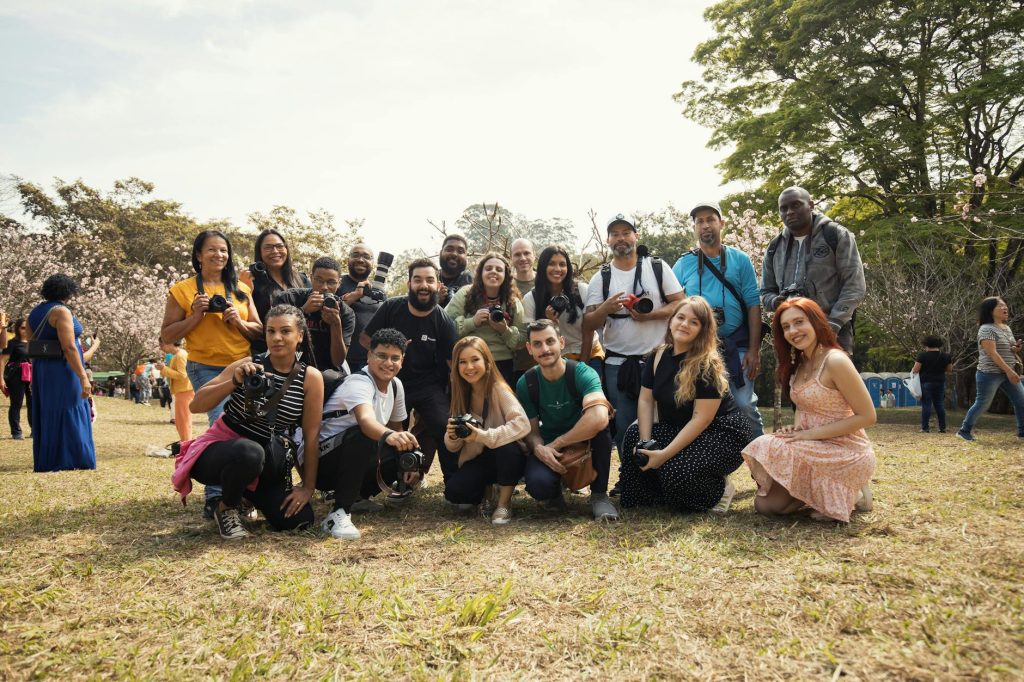

Vibrant communities don’t just happen; they are meticulously crafted, nurtured ecosystems where people connect, collaborate, and thrive. Think of the local dive bar, the neighborhood park, or the co-working space down the street. These seemingly innocuous places are, in fact, the lifeblood of social cohesion and individual well-being. But what makes these shared spaces so critical? And how can we foster more of them?
The Chemistry of Connection
Shared spaces offer a crucible for the alchemy of human connection. They provide a platform for casual encounters, forging bonds between people who might otherwise never cross paths. This is more than just a matter of social niceties; it’s a fundamental human need. Psychology Today, for instance, has long explored the importance of shared experiences in creating meaningful connections. In an increasingly atomized world, these spaces counteract the isolating effects of modern life, giving us a sense of belonging and social support. Think of your favorite watering hole: it’s not just about the booze; it’s about the banter, the shared laughter, and the sense of camaraderie.
Consider the role of public libraries, community centers, and even local coffee shops. These establishments offer a sense of place, a tangible link to something larger than ourselves. They promote interaction through events, workshops, and simply by providing common ground. According to the United Nations, a strong sense of community is a key factor in improving mental health and reducing social isolation. These shared environments foster a sense of mutual support and shared identity, which can be critical during times of individual or collective crisis. Remember that time you commiserated with the dude at the gym when the workout was extra brutal? That shared struggle forged a connection, didn’t it?
The Wellspring of Well-being
Beyond facilitating social connections, shared spaces are fundamentally linked to our well-being. Exposure to nature in public parks, for example, has been repeatedly linked to reduced stress levels and improved mental health. The presence of green spaces is not just aesthetically pleasing; it is an active ingredient in the recipe for psychological resilience. The design of these spaces plays a critical role. Think about it: a park with well-maintained paths, ample seating, and a good view encourages people to linger, to interact, and to feel safe. A dingy, poorly lit alleyway, on the other hand, does the opposite.
The layout and design of shared spaces influence how people interact, promoting or hindering social interaction. Inclusive design principles, such as ensuring accessibility for people with disabilities, and creating spaces that accommodate different age groups, can further bolster community well-being. This is where urban planning meets human psychology; the spaces we inhabit have a profound impact on how we feel and how we relate to each other. Even the simple act of having a communal space that feels safe can make a huge difference. Think of the difference between a dark and empty parking garage and a lively, well-lit street market—which one makes you feel more at ease?
Building Resilience, One Space at a Time
Resilient communities are built on strong foundations, and shared spaces are the bricks and mortar of this structure. They offer a venue for collective action, whether it is organizing neighborhood cleanup efforts, advocating for local improvements, or coming together to support those in need. These spaces are not just passive environments; they are active hubs of social capital, and social capital is critical during times of hardship. During any crisis, these shared spaces can provide vital resources and support networks. They can become the nerve center for community response efforts, providing shelter, information, and a sense of unity.
For example, the rapid response of many communities during natural disasters demonstrates the inherent value of these spaces. The ability to come together and help one another is a testament to the power of human connection, and shared spaces are where that connection is forged. They are the physical manifestation of our collective strength and our ability to weather any storm. When a community can come together, a whole different range of possibilities opens up. Check out this research from JSTOR that highlights how neighborhoods can use shared spaces to build connections and strengthen themselves.
Practical Steps for Fostering Thriving Communities
So, how do we create more of these vital spaces? It starts with intentionality and a deep understanding of community needs. A community garden, for instance, requires planning, resources, and community involvement. It’s also about fostering inclusivity. Making sure that everyone feels welcome and has a voice in shaping the space is essential. Consider the design – does it cater to the people who will be using it?
Consider the role of local governments, developers, and community organizations. Each has a role to play in creating the conditions for thriving communities. Zoning regulations can incentivize the creation of shared spaces. Developers can incorporate community amenities into new projects. Local organizations can lead initiatives to activate existing spaces. If a community doesn’t have a place to gather, then how can it expect to grow? These are the building blocks that lead to something greater. Perhaps, just perhaps, you can trade your way there, like with a certain cryptocurrency-themed mug.
From the local pub to the community center, from the farmer’s market to the dog park, shared spaces are the unsung heroes of our social fabric. They provide a foundation for connection, well-being, and resilience. Investing in these spaces is not just an investment in infrastructure; it is an investment in our collective future. So, the next time you find yourself in your favorite community haunt, take a moment to appreciate the magic in the air, the shared experience that makes it all worthwhile, even if it’s just the shared grumbling over the latest market dips.
When you’re trying to figure out what to get your crypto-loving friends for their birthday, don’t worry, I know just the right thing to get. If you want a fun, quirky, conversation starter, check out the cryptocurrency themed mug, and give the gift of an experience that won’t get old and boring!