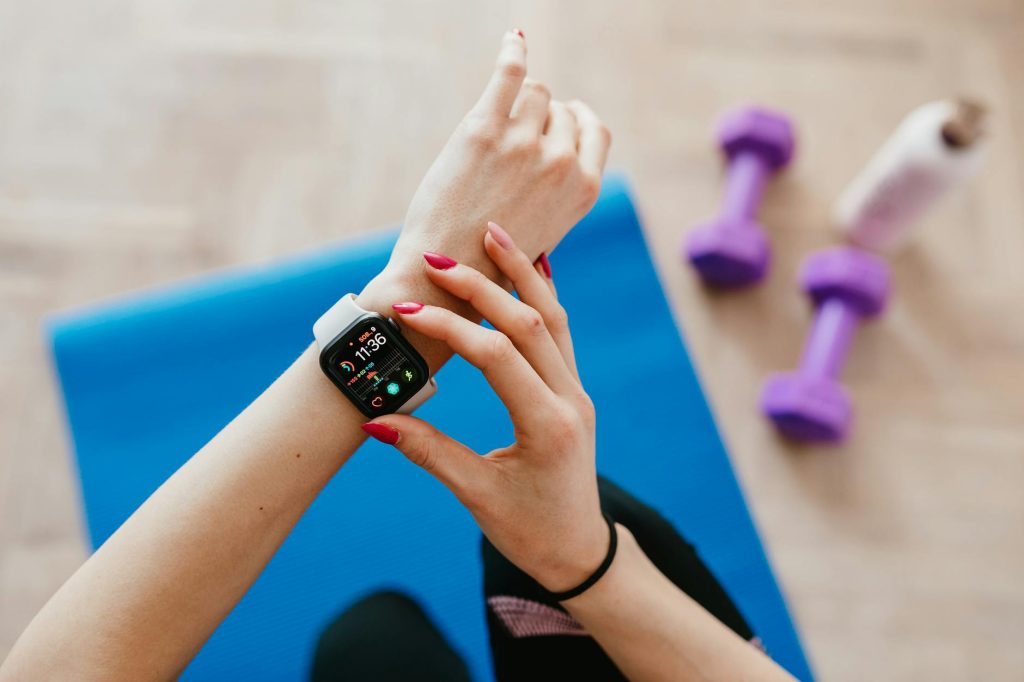

The days of generic gym memberships and one-size-fits-all workout routines are fading into the rearview mirror. Today, fitness is breaking free from its brick-and-mortar confines, transforming into a hyper-personalized, tech-driven experience accessible anytime, anywhere. This isn’t just about fancier equipment or trendier classes; it’s a fundamental shift in how we approach movement, health, and well-being. So, grab a brew – maybe even a Death Metal Mugs crazy coffee mug to keep you caffeinated – because we’re diving into the future of fitness, a world beyond the gym walls.
The Rise of Personalized Fitness
For years, the fitness industry has operated on a mass-market model. Gyms offered generic programs, and personal trainers provided guidance based on general principles. Now, the emphasis is shifting to personalized fitness, where workouts are tailored to an individual’s unique physiology, goals, and preferences. Wearable technology, from smartwatches to advanced biosensors, plays a crucial role here. These devices collect a wealth of data, including heart rate variability, sleep patterns, and even metabolic efficiency. Armed with this information, fitness professionals and AI-powered platforms can create highly customized workout plans.
Consider the potential. A runner, for example, can use a wearable device to monitor their stride length, cadence, and ground contact time. This data can then be analyzed to identify areas for improvement, like optimizing running form to reduce the risk of injury or improve performance. Or, an athlete can leverage AI to analyze their sleep, stress levels, and nutrition to determine when is the best time for high-intensity training or active recovery. Furthermore, the integration of genetics further enhances personalization. DNA tests can reveal predispositions to certain health conditions, athletic abilities, and even how the body responds to different types of exercise.
Tech-Enhanced Workouts: Beyond the Basics
Technology is no longer a peripheral element; it’s the core of many cutting-edge fitness experiences. Virtual reality (VR) is creating immersive workout environments. Imagine cycling through the Tour de France, boxing with a virtual opponent, or practicing yoga on a tropical beach, all from the comfort of your living room. VR workouts offer an unparalleled level of engagement, making exercise more enjoyable and less like a chore. Beyond VR, augmented reality (AR) is emerging as a powerful tool to enhance workouts. AR apps can overlay digital information onto the real world, providing real-time feedback on form, performance, and progress.
Another exciting development is the rise of biofeedback-driven training. This approach uses real-time data from the body to guide workouts. For example, a biofeedback device might monitor muscle activation and provide cues to optimize form and maximize results. This can be particularly beneficial for injury prevention and rehabilitation. These advancements aren’t just for elite athletes; they’re becoming increasingly accessible to the general public. As technology becomes more affordable and user-friendly, the ability to track and optimize our fitness will become even more seamless. The best part? You can do all this from the comfort of your own crypt… uh, home. Speaking of comfort, the world of fitness is constantly evolving, so buckle up.
The Role of Data and AI
Data and artificial intelligence are the engines driving the future of fitness. AI algorithms analyze vast amounts of data to provide personalized recommendations, optimize training programs, and predict potential health risks. This data-driven approach allows for a level of precision and customization previously unimaginable. For instance, AI can analyze your workout history, sleep patterns, and dietary habits to recommend the optimal balance of exercise, rest, and nutrition. In this hyper-personalized landscape, AI is the personal trainer.
AI is also enabling the development of more sophisticated wearable devices. These devices can go beyond basic heart rate monitoring and step counting to provide real-time feedback on your body’s response to exercise. This includes monitoring muscle fatigue, predicting injury risk, and optimizing your workout intensity. With all of this data at hand, individuals can make more informed decisions about their health and fitness. These AI-powered tools also empower trainers and coaches with more in-depth insights into their clients’ progress and can help adjust training plans in real-time. In the gym world, the game has changed.
Beyond the Gym: Fitness Anywhere, Anytime
The future of fitness is about breaking free from the constraints of the traditional gym. With the rise of at-home workout programs, virtual fitness classes, and outdoor fitness opportunities, people can now exercise whenever and wherever they want. This shift is driven by a number of factors, including convenience, cost, and personal preference. For example, research published in the National Center for Biotechnology Information demonstrates the growing acceptance and effectiveness of home-based exercise programs. They also offer a more flexible solution to time constraints.
Outdoor fitness is also gaining traction. Hiking, cycling, and other outdoor activities provide opportunities to enjoy the benefits of exercise while connecting with nature. Furthermore, many cities are investing in public fitness infrastructure, such as bike paths, walking trails, and outdoor gyms. As the fitness landscape evolves, gyms are adapting by offering hybrid models, which blend in-person classes with virtual options. Fitness companies are developing more immersive experiences to get people to move their asses. If you’re a metalhead like us, it’s about pushing the limits to the point of collapse. This shift is not just about convenience; it’s about making fitness more accessible, inclusive, and enjoyable for everyone.
Challenges and Considerations
While the future of fitness holds immense promise, it’s not without its challenges. One of the biggest concerns is data privacy. As wearable devices and AI-powered platforms collect more and more personal information, it’s crucial to ensure that this data is protected and used responsibly. Users must be aware of the data being collected and how it’s being used, and companies must be transparent about their data practices. Another important consideration is the potential for technology to create a sense of disconnect from the physical world. While virtual reality and augmented reality can enhance workouts, it’s important to find a balance between digital experiences and real-world interactions. Furthermore, the cost of advanced fitness technologies can be prohibitive for some, creating a potential barrier to access. However, as the technologies mature, the costs will decrease, and will soon be within reach of the common folk.
The integration of technology into fitness is rapidly transforming the industry, creating exciting opportunities for increased personalization, improved performance, and enhanced enjoyment. At the same time, it’s also raising important questions about data privacy, accessibility, and the role of human interaction. According to the Statista Research Department, there will be massive growth in the fitness technology market. It’s hard to predict where this will all land, but one thing is certain: fitness will never be the same again.
So, the future of fitness is here, and it’s up to us to seize the power. With every new stride, every drop of sweat, and every bit of data collected, we can all redefine what fitness means. It’s a journey, not a destination, and it’s one we can all embrace. Now, if you’ll excuse me, I think I need another cup of coffee – or maybe six. I swear, the only thing better than working out is a massive buzz.
Want a guaranteed way to wake up and slay your workout? Kickstart your day with a Death Metal Mugs crazy coffee mug, perfect for fueling your inner beast and reminding the world that you’re not to be trifled with.